
The famous stops on the Croatian coast, Hvar’s harbour, Korčula’s walls, Split’s nightlife, earn their reputation. But sail past the tourist trail and a quieter Adriatic opens up: hidden anchorages, near-empty bays, car-free villages and island time that runs slow. These are the ten islands that stay off most people’s radar, and how to reach them by boat.
| Island | Why go | Good for |
|---|---|---|
| Šćedro | Uninhabited nature park off Hvar, silent coves | A night at anchor, couples |
| Silba | Car-free “island of light”, artist cafés | Switching off completely |
| Lastovo | Dark-sky nature park, far out, dive caves | Stargazers, longer charters |
| Kornat | Bare, lunar, superb open sailing | Wild beauty, photographers |
| Zlarin | Car-free coral-diving island near Šibenik | Culture, families |
| Susak | Sand island with terraced vineyards | Families, sandy beaches |
| Pašman | Quiet, close to Zadar, Kornati views | An easy overnight stop |
| Premuda | The Cathedral dive-cave system | Divers |
| Iž | Two tiny villages, pine and konobas | Authentic, slow days |
| Unije | Car-free, wildflowers, near Lošinj | Simple and soulful |
Šćedro
Just off the south coast of Hvar, Šćedro is where locals go to disappear. The island is barely inhabited, a protected nature park of wild herbs and pine, and its coves make some of the quietest overnight anchorages on the coast. No shops, no bars, just still water and, if you are lucky, a dolphin at sunrise.

Silba
Between Zadar and the open Adriatic sits Silba, so committed to calm that even bicycles are discouraged in peak summer. Known as the island of light, it has no cars, no buildings over two storeys and no chain hotels: just pine trails, artist-run cafés and locals who learn your boat’s name before you have tied up. Moorings fill early, so arrive in good time.
Lastovo
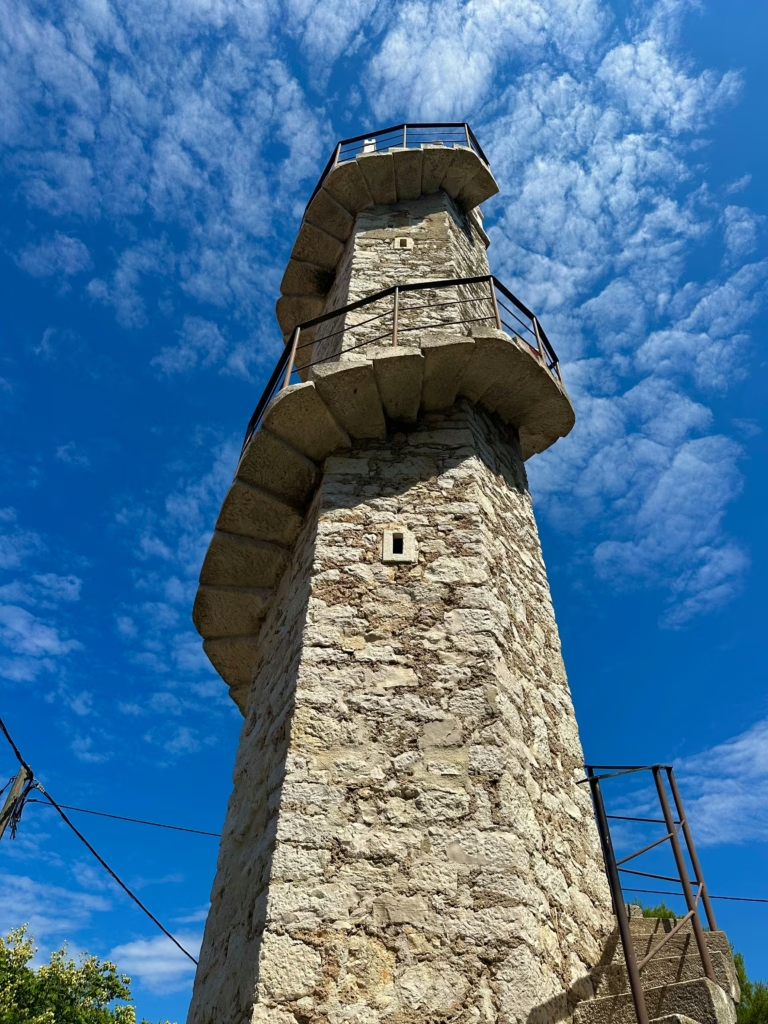
One of the furthest inhabited islands in the Adriatic, Lastovo is a protected nature park with some of the darkest skies in Europe, which makes it a favourite of stargazers. Pine forest cloaks its cliffs, dive caves cut into the coast, and the extra miles out keep it quiet. Best suited to longer charters and crews happy to unplug.

Kornat
The largest of the Kornati, Kornat is stark and almost lunar: bare hills, sun-bleached rock and superb, open sailing. Nobody lives here permanently, but a handful of seasonal konobas grill the day’s catch and pour rakija, and the anchorages around the national park are made for quiet swims and dinners on deck.
Zlarin
A short hop from Šibenik, Zlarin still lives off its centuries-old coral trade. It is car-free, its lanes lined with old stone houses, coral jewellers and olive groves, and its harbour is an easy mooring. Rustic and genuinely warm rather than polished for tourists.
Susak
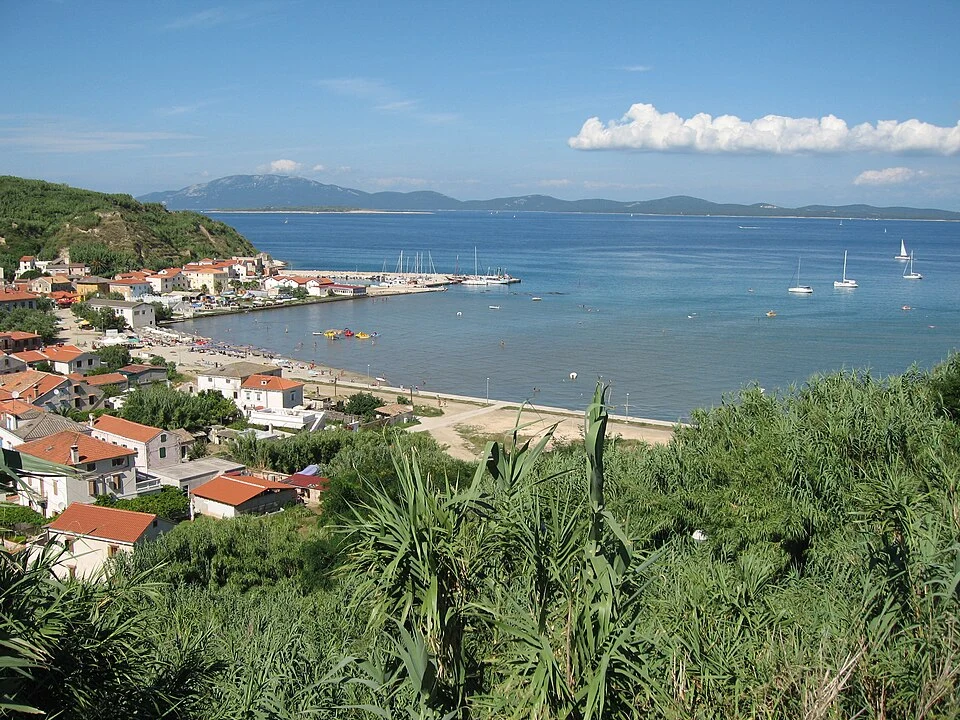
Susak breaks all the rules. In the northern Adriatic, it is built almost entirely of sand and covered in terraced vineyards, and it looks and even sounds different: the local dialect is its own. For sailors it means a soft landing, with shallow sandy beaches instead of the usual pebbles, and a village of colourful houses above.
Pašman
Often skipped for its neighbour Ugljan, Pašman is close to Zadar and quietly has everything a stop needs: clean anchorages, hill walks, good taverns and locals with time to talk. The west side looks out to the Kornati, the east turns calmly toward the mainland.
Premuda
Tiny Premuda is a diver’s island, known for The Cathedral, a vast underwater cave system that pulls scuba divers from all over. Above the water it is calm and simple, with limited moorings, quiet nights and easy island walks.
Iž
Tucked between Ugljan and Dugi Otok, Iž is small but full of heart: two villages, Veli Iž and Mali Iž, a scattering of konobas and bakeries, and pine and beaches for the rest. The kind of place where you linger over harbour coffee and watch the fishermen mend their nets.

Unije
Unije, near Lošinj, is the one you leave wishing you had stayed longer. Car-free and alive with wildflowers, clear water and pastel houses above the harbour, it holds little more than a village and a bakery. A simple place, done exactly right.
Hidden Croatian Islands FAQs
What are the best hidden gems of the Croatian islands?
The quietest are Lastovo for dark skies, Susak for its sand and vineyards, Šćedro and Silba for near-total silence, Premuda for diving and Kornat for bare, wild-island sailing. All are a world away from the crowds of Hvar or Brač.
How do you reach Croatia’s hidden islands by boat?
Easiest by chartered yacht or skippered day-trip. A few have infrequent ferries, Lastovo from Korčula, Susak by daily catamaran from Mali Lošinj, but several are anchor-only. A week’s charter from Split or Zadar reaches most of them.
Are Croatia’s hidden islands car-free?
Several are, or close to it: Susak is fully car-free with only tractors, Silba and Zlarin keep cars out of the villages, and Unije has no cars at all. Lastovo allows residents’ vehicles, but few visitors bring one.
Where can you anchor at the hidden islands?
Sheltered options include Skrivena Luka on Lastovo (deep and well protected), the coves off Šćedro and Pašman, and the calm moorings at Premuda. Most are mud-and-weed bottoms, so lay plenty of scope and check your holding.
When is the best time to visit Croatia’s hidden islands?
Late June or September: warm water around 24 to 26°C, clear visibility for snorkelling and low crowds even at the popular anchorages. July and August push charter overflow from Hvar and Korčula into the quieter islands.
Ready to skip the crowds? Charter a boat in Croatia and island-hop to the coves most people never find.
Sail the quiet route: See 3 one-week Croatia sailing itineraries and the Croatia sailing guide.