
The best places to sail in the Mediterranean for experienced crews are the Greek Cyclades and Dodecanese, the Balearic Islands, Croatia’s Kornati Islands and the Split-to-Dubrovnik coast, the Tuscan Islands, the Canary Islands, Sardinia and the Bonifacio Strait, Corsica, and the Turkish coast. Each pairs demanding winds, the Meltemi, Mistral and Bora among them, with dramatic coastlines and centuries of seafaring history.
This guide is built for sailors who want a real challenge. It covers the wind systems you need to read, ten expert routes across Greece, Spain, Croatia, Italy, France and Turkey, the gear to carry, and the quiet anchorages worth the detour.
Table of Contents
Mediterranean winds and weather: what every expert should know
Mediterranean sailing is defined by diverse and often intense winds. Reading local wind behaviour is essential for both safety and performance.
The Meltemi
A northerly wind that lashes the Aegean and parts of Turkey through the summer, the Meltemi can rise without warning. Forceful and persistent, it often reaches Force 7 or higher, and it funnels through the channels between islands, especially in the Cyclades and the Dodecanese.
The Mistral
Originating in southern France, the Mistral is a cold, dry wind that blows fiercely down the Rhone Valley and across the Gulf of Lion. Sardinia and the Strait of Bonifacio are particularly exposed. Experienced sailors respect its speed and sudden arrival.
The Bora
Croatia’s Bora blows down from the Dinaric Alps and can turn calm bays into rough water in minutes. It is one of the defining features of sailing the Adriatic.
Tramontana and Scirocco
These Italian and Spanish winds add complexity to the central Mediterranean. The Tramontana brings cold bursts, while the Scirocco blows hot, dusty air up from the Sahara.
Tips for planning
Always check local marine forecasts before setting sail. Equip your yacht with AIS and radar, and rely on real-time wind apps for quick adjustments on the water.
The 10 best expert sailing routes in the Mediterranean
These ten routes combine adventure, precision sailing and unforgettable views. Each entry lists the main challenges, the highlights, and a pro tip from experienced crews.
1. Cyclades (Greece)
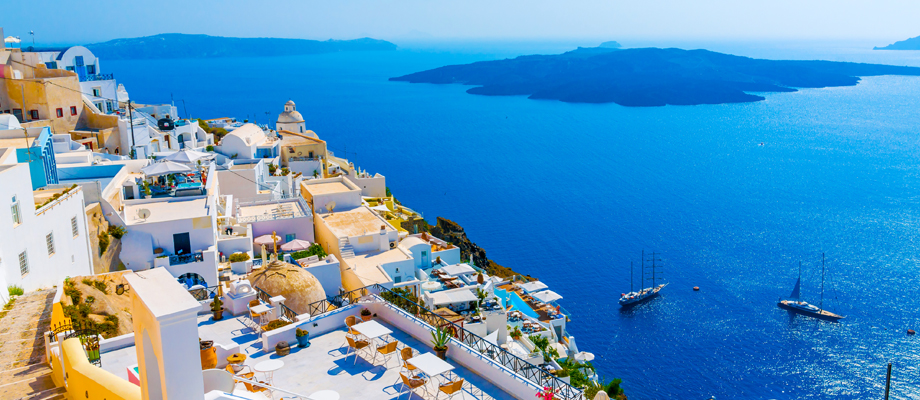
The Cyclades are among the most demanding waters in the eastern Mediterranean, thanks to the relentless Meltemi. Sailing here means working between bare, rocky islands with little natural shelter.
- Challenges: Meltemi gusts up to Force 7, limited protection
- Highlights: Santorini’s caldera, Mykonos nightlife, and the hidden bays of Kea and Paros
- Pro tip: Sail in the early morning, when winds are calmer and harbours less crowded
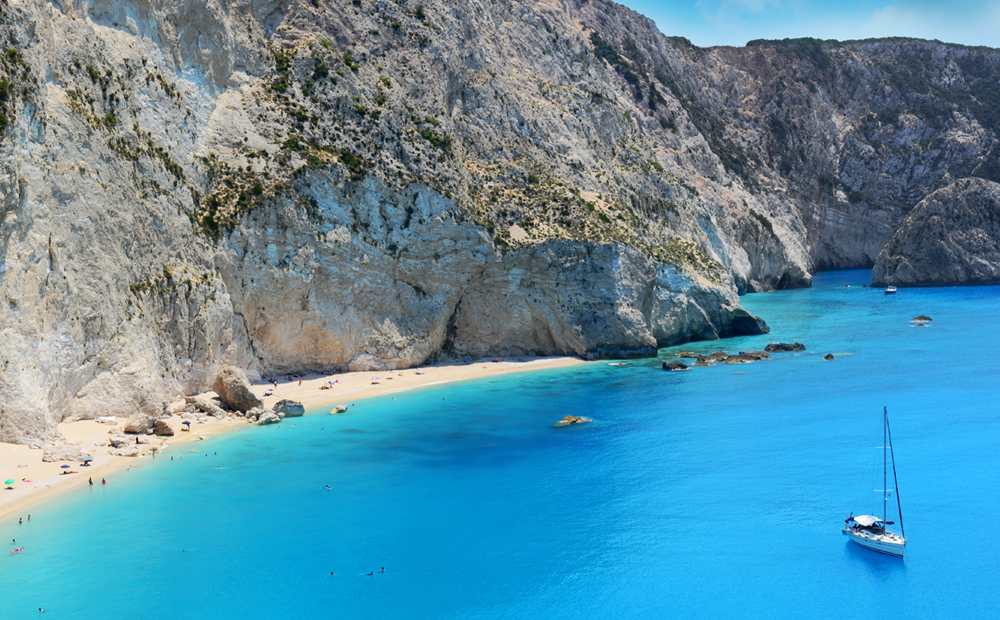
2. Dodecanese (Greece)
A rich mix of Greek charm and open-sea challenge, where the Meltemi channels through narrow passages and demands tactical sailing.
- Challenges: Intense Meltemi funnels, long open-water crossings
- Highlights: Rhodes‘ medieval town, the serenity of Chalki, the volcanic beauty of Nisyros
- Pro tip: Chart a southerly route from Rhodes to Symi and back to dodge the worst of the wind
3. Balearic Islands (Spain)
The Balearics deliver fast sailing with bursts of Mistral and Tramontana.
- Challenges: Unexpected weather systems, swells on north-facing coasts
- Highlights: Ibiza‘s hidden coves, Formentera’s beaches, Palma’s historic charm
- Pro tip: Menorca’s north coast is best tackled early in the season or off-peak

4. Kornati Islands (Croatia)
This maze of more than 100 islets is one of the most technical cruising grounds in the Adriatic.
- Challenges: Navigational hazards, Bora surprises, sudden squalls
- Highlights: Dugi Otok’s cliffs, serene Vir Island, traditional tavernas on Mali Losinj
- Pro tip: Use up-to-date charts and sonar, as unmarked rocks are a real risk
Charter a yacht in the Kornati Islands ›

5. Tuscan Islands (Italy)
The Tuscan archipelago blends raw beauty with unpredictable weather, and its rocky coastlines hide underwater hazards.
- Challenges: Sudden squalls, limited shelter, submerged rocks
- Highlights: Elba‘s Napoleonic past, Capraia’s cliffs, the quiet bays of Giannutri
- Pro tip: Consider a local skipper to navigate the rocky water and shifting wind

6. Canary Islands (Spain)
Though they sit off the African coast, the Canaries are a staple for Mediterranean-region adventurers.
- Challenges: Atlantic swells, strong trade winds, localised acceleration zones
- Highlights: Tenerife’s volcanic shores and Gran Canaria‘s busy marinas
- Pro tip: Expect 15-knot boosts in the wind tunnels between islands
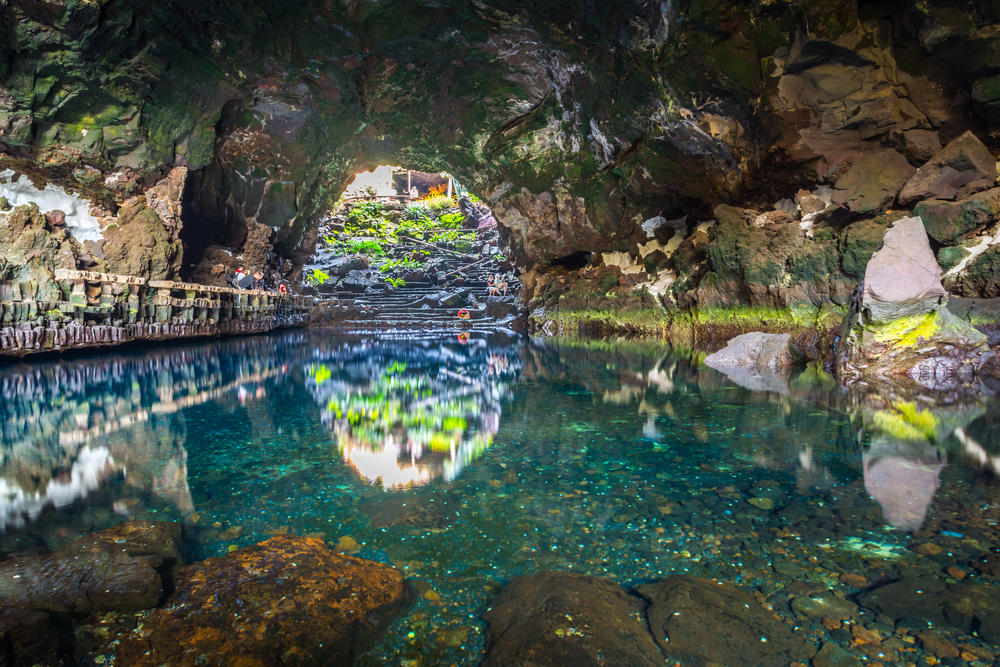
7. Sardinia and the Bonifacio Strait (Italy and France)
An iconic passage that blends culture with fierce Mistral gusts, off the coast of Sardinia.
- Challenges: Mistral surges, rugged coastline, funnelling winds
- Highlights: The La Maddalena archipelago, Caprera nature park, and the French harbour of Bonifacio
- Pro tip: Avoid crossing the Strait of Bonifacio during peak Mistral periods

8. Corsica (France)
Known for volatile wind shifts, Corsica‘s mountainous terrain pairs luxury with rugged beauty.
- Challenges: Gusty winds, rocky moorings
- Highlights: Girolata’s secret coves, Propriano’s tranquil beaches, Saint-Florent’s charm
- Pro tip: Depart early to avoid late-day gusts and dock congestion
9. Split to Dubrovnik (Croatia)
This classic Croatian passage combines culture and challenge: Bora winds, historical stops and clear blue water.
- Challenges: Bora gusts, busy high-season waters
- Highlights: UNESCO Split, the Blue Grotto, Hvar’s lively town, Mljet’s national park
- Pro tip: Check forecasts vigilantly, as sudden Bora events need quick reactions
Charter a yacht along the Dalmatian coast ›

10. Turkish Coast and Greek Dodecanese (Turkey and Greece)
A cross-border adventure that merges the Meltemi with Turkey‘s thermal breezes.
- Challenges: Border formalities, mixed weather patterns
- Highlights: Bodrum’s bustling marina, Symi’s pastel harbour, ancient ruins along the coast
- Pro tip: Make sure all paperwork is in order and plan for customs checks
Essential gear and safety tips for expert sailors
Before setting out on any Mediterranean route, make sure your yacht and crew are fully prepared:
- Navigation tech: AIS, radar and up-to-date digital charts to avoid hidden reefs and shifting coastlines.
- Safety equipment: wear high-quality lifejackets and harnesses at all times, since coastal conditions change fast.
- Communication: a VHF radio and a satellite phone give you critical backups far from a marina.
- Weather monitoring: use apps like Windy or PredictWind alongside local marine forecasts.
- Professional backup: in complex zones like the Tuscan coast or Corsica, consider hiring a local skipper.
Hidden gems to anchor at along the way
Even the most experienced sailors appreciate a quiet anchorage. These stops are worth the detour:
- Cyclades: the cove of Kato Koufonisi, sheltered, calm and beautiful.
- Sardinia: Cala Coticcio in La Maddalena, often called Tahiti Beach for its clear water.
- Kornati: the west shore of Levrnaka Island, for untouched quiet.
- Dodecanese: Tilos Island’s Livadia Bay, a taste of Greece with fewer crowds.
- Corsica: Girolata’s bay, reachable only by sea.
Frequently asked questions about sailing the Mediterranean
What are the best places to sail in the Mediterranean?
The best places to sail in the Mediterranean are the Greek Cyclades and Dodecanese, the Balearic Islands, Croatia’s Kornati Islands and the Split-to-Dubrovnik coast, the Tuscan Islands, the Canary Islands, Sardinia and the Bonifacio Strait, Corsica, and the Turkish coast. Each pairs demanding winds with dramatic scenery.
What is the best sailing route in the Mediterranean for experienced sailors?
The best Mediterranean routes for experienced sailors are the Cyclades and Dodecanese in Greece for the Meltemi, the Bonifacio Strait between Sardinia and Corsica for the Mistral, and Croatia’s Kornati Islands for technical navigation among unmarked rocks.
What are the main winds in the Mediterranean?
The main Mediterranean winds are the Meltemi (a northerly that blows across the Aegean in summer), the Mistral (cold and dry, from southern France across the Gulf of Lion), the Bora (down Croatia’s Dinaric Alps), the Tramontana (cold bursts in the northern Med) and the Scirocco (hot, dusty air from the Sahara).
When is the best time to sail in the Mediterranean?
The best time to sail in the Mediterranean is May, June and September, when the water is warm and the winds are steadier. July and August are the hottest and busiest months, and the Greek Meltemi is at its strongest then, which is why many experienced crews avoid peak summer in the Aegean.
Is the Mediterranean good for experienced sailors?
The Mediterranean is excellent for experienced sailors. It offers demanding wind systems like the Meltemi, Mistral and Bora, long open-water crossings, technical island navigation, and a huge variety of coastlines, all within relatively short passages between charter bases.
Do you need a licence to sail in the Mediterranean?
To charter a bareboat yacht in the Mediterranean you need a recognised sailing licence, such as the ICC or an equivalent national certificate, usually with a VHF radio licence. If you hire a skipper, the skipper holds the qualifications and you need none of your own.
What safety gear do you need for Mediterranean sailing?
Essential safety gear for Mediterranean sailing includes AIS and radar, up-to-date digital charts, high-quality lifejackets and harnesses, a VHF radio with a satellite phone as backup, and weather apps such as Windy or PredictWind used alongside local marine forecasts.
Can you sail across borders in the Mediterranean?
You can sail across some Mediterranean borders, such as between Turkey and the Greek Dodecanese, or between Italy’s Sardinia and France’s Corsica. Cross-border charters need the right paperwork and customs clearance, so check the rules and your charter agreement before you set off.
These routes are tests of seamanship as much as holidays, each one a mix of challenge and quiet beauty. When you are ready, browse boats in Greece, Croatia and Italy, or pick a sailing yacht and start planning your Mediterranean passage.